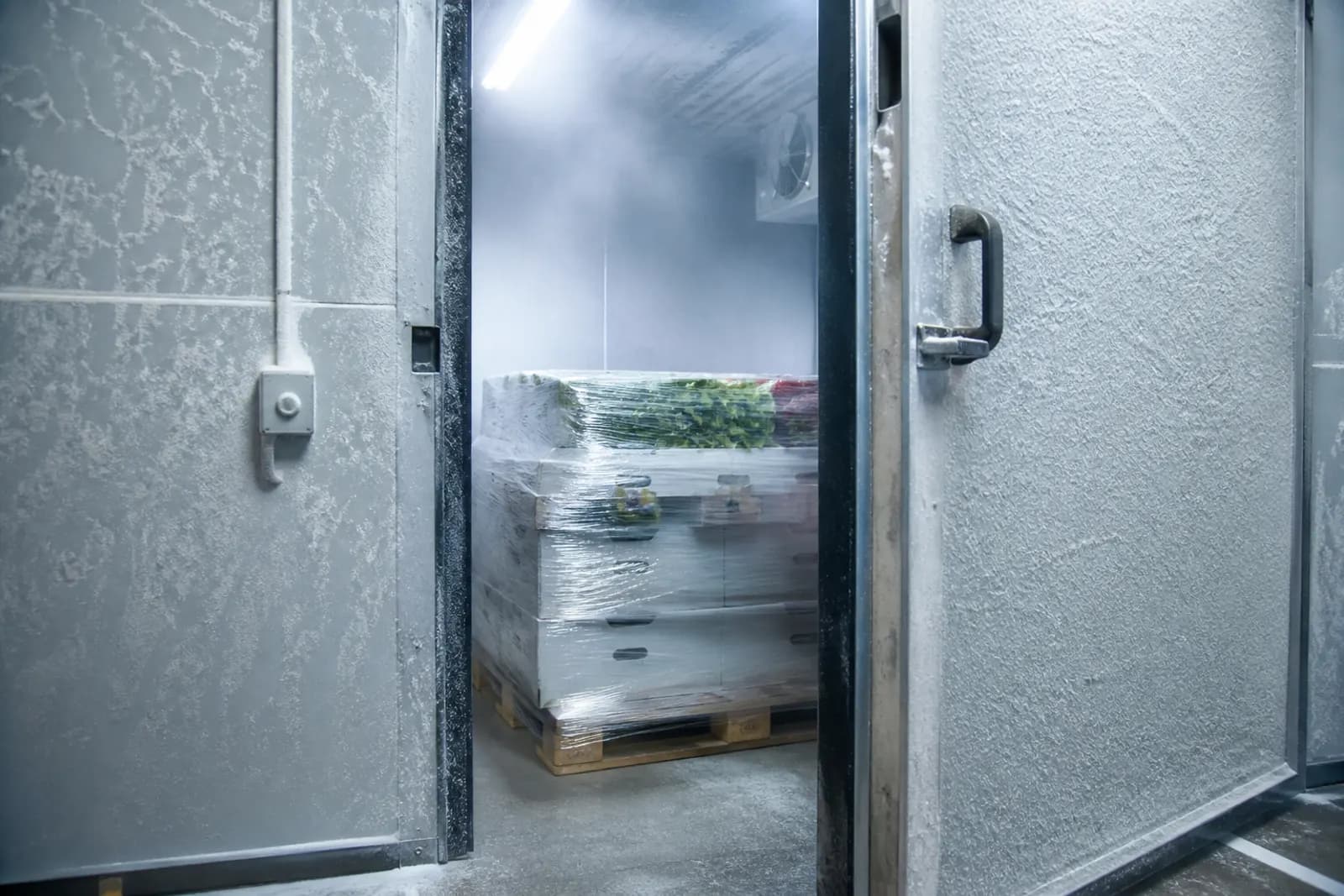
Temperature-Controlled Storage Coordination
Coordination of suitable refrigerated, chilled, or frozen storage based on shipment requirements and facility availability.
Perishable cargo rarely moves in one continuous step — there's almost always a window between flight arrival and pickup, or between drop-off and airline tender, where cargo needs to hold at the right temperature. We coordinate that storage step with facility partners near LAX so the cool chain isn't broken while cargo waits.
What's Included
- Matching shipment requirements (frozen, chilled, or cool-but-not-cold ranges) to an available facility near LAX
- Coordinating storage windows around flight schedules, pickup appointments, or customs release timing
- Communicating any special handling instructions (stacking limits, humidity control, segregation from other commodities) to the facility
- Coordinating transfer into and out of storage with trucking or handling-agent partners
- Monitoring storage duration so cargo does not sit longer than the commodity's shelf life allows
Not all perishable cargo needs the same storage conditions. Frozen seafood or meat typically holds at -18°C (0°F) or below, chilled produce and dairy commonly sit in the 0–4°C (32–39°F) range, and some tropical produce and cut flowers are actually damaged by cold and need to be held warmer, often in the 8–15°C (46–59°F) range, to avoid chilling injury. We coordinate storage placement based on the specific commodity and its documented requirements rather than a single default setting.
Because storage is almost always a transitional step rather than a destination, timing matters as much as temperature. We coordinate storage windows tightly around the shipment's onward movement — whether that's an outbound flight cutoff, a scheduled pickup, or release following customs clearance — to keep dwell time to a minimum.
FTE Perishable coordinates with third-party storage facilities near LAX; we do not own or operate warehouse space ourselves. Facility selection is based on the commodity's requirements and what capacity is available at the time of the shipment.
Frequently Asked Questions
What if my tropical flowers or tropical produce need a warmer “cool” range — not standard chill?
Standard chill rooms (~0–4°C) can cause chilling injury on many tropical flowers and fruits even though the product looks “refrigerated.” We match the commodity to an available chamber in the right band — near-freezing for temperate goods, warmer cool ranges for chill-sensitive items — rather than defaulting to whichever room is open. We coordinate third-party facilities near LAX; we do not own warehouse space.
Can flowers share cold storage with fruit or other produce?
Often no. Ethylene from fruit such as apples, bananas, avocados, or tomatoes can damage flowers and greens, and strong odors can transfer between commodities. We coordinate segregated placement when capacity allows and keep dwell short so cargo isn’t parked in a mixed room waiting for space.
Related Commodities
This service is commonly coordinated for the following commodity types.
Have a Shipment That Needs Coordinating?
Share your shipment details and our LAX operations team will follow up with next steps.