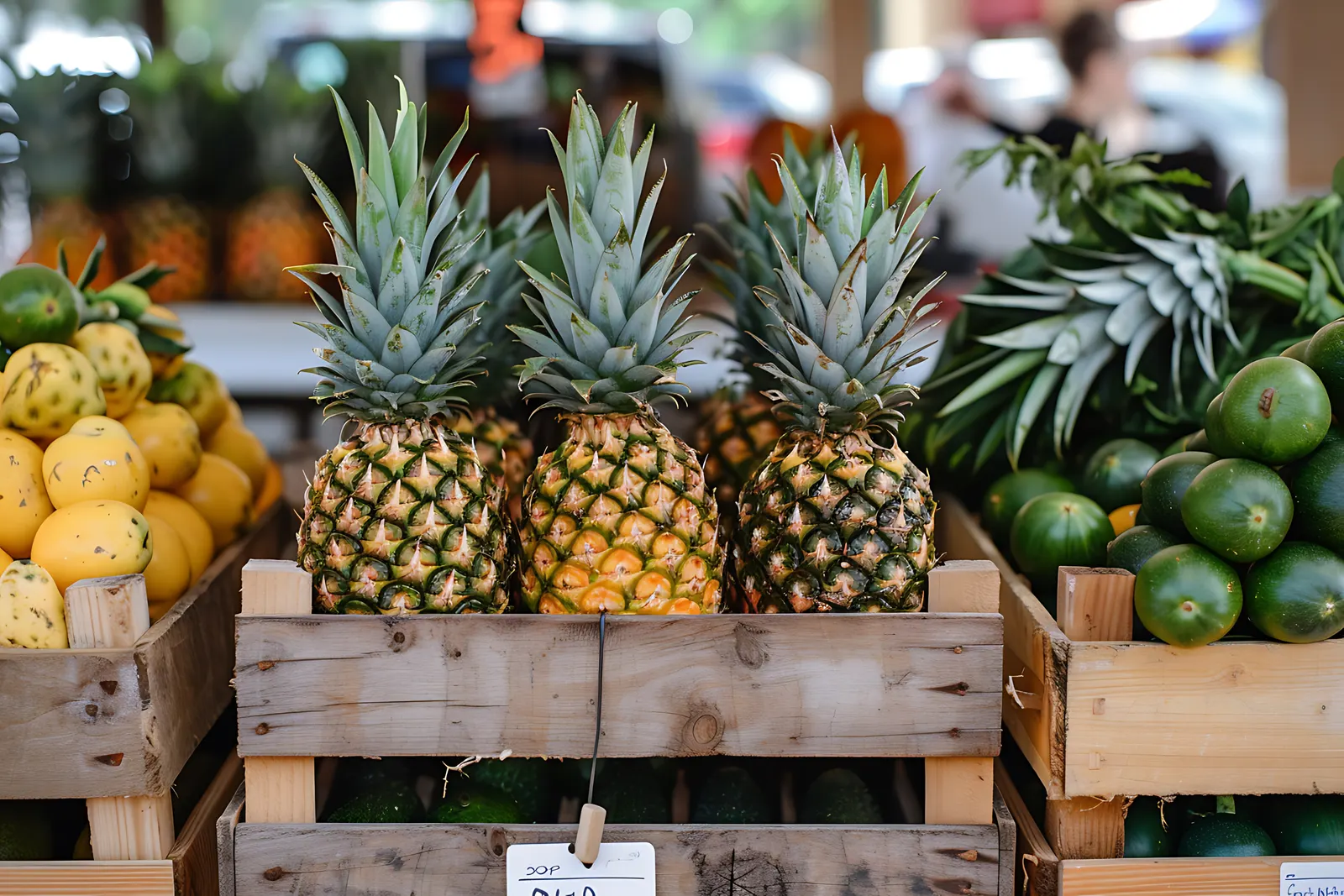
Fresh Produce
Fruits, vegetables, herbs, and other agricultural products requiring timely transportation and careful handling.
Fresh produce covers a wide range of shelf lives and temperature sensitivities, from leafy greens that need to stay near freezing to tropical fruit that's damaged by cold. Coordinating produce through LAX means matching each shipment's specific commodity to the right temperature range, timing, and documentation rather than treating all produce the same way.
Typical Temperature Range
Most temperate fruits and vegetables travel chilled around 0–4°C (32–39°F). Tropical and subtropical produce such as bananas, mangoes, and avocados are typically held warmer, often 13–14°C (55–57°F), since temperatures below that range can cause chilling injury rather than protecting the product.
Examples
Handling Notes
- Ventilated or vented cartons are common to allow airflow and manage ethylene and respiration heat
- Ethylene-sensitive produce should be kept separated from high ethylene-producing fruit during storage and transit
- Pre-cooling before tender helps remove field heat so the shipment starts its journey at the correct temperature
- Some produce (notably tropical fruit) is more sensitive to cold injury than to warmth, so the correct range is commodity-specific
Common Documentation
- Commercial invoice and packing list
- Phytosanitary certificate (issued by USDA APHIS) for many fresh fruit and vegetable shipments
- Certificate of origin, where required by the destination or buyer
Documentation requirements vary by origin, destination, and specific product — confirm exact requirements for your shipment with our operations team before booking.
Quick Answers
What temperature does fresh produce ship at by air?
Most temperate fruits and vegetables travel chilled around 0–4°C (32–39°F). Tropical and subtropical produce such as bananas, mangoes, and avocados are typically held warmer, often 13–14°C (55–57°F), since temperatures below that range can cause chilling injury rather than protecting the product.
What documentation is required for fresh produce moving through LAX?
Commonly required: Commercial invoice and packing list; Phytosanitary certificate (issued by USDA APHIS) for many fresh fruit and vegetable shipments; Certificate of origin, where required by the destination or buyer. Exact requirements vary by origin, destination, and specific product — confirm them with our operations team before booking.
Does FTE Perishable handle fresh produce at LAX?
Yes. FTE Perishable coordinates fresh produce moving through Los Angeles International Airport — fruits, vegetables, herbs, and other agricultural products requiring timely transportation and careful handling. Coordination covers booking, temperature-controlled handling and storage, documentation, and release or tender at LAX. We are a coordination service, not an airline or a licensed customs broker.
Related Services
Services commonly coordinated for fresh produce shipments.
Shipping Fresh Produce?
Share your shipment details and our LAX operations team will confirm handling requirements and next steps.